Understanding What Nanonets Brings to Automation
Nanonets is part of a new wave of intelligent automation tools built to cut down on repetitive data work, raise accuracy, and help organizations move faster. At its core, Nanonets uses machine learning to read and process information in documents, images, and digital workflows. This means companies can replace hours of manual data entry with a system that learns from examples, adapts to new formats, and keeps improving as it processes more data. The real strength of Nanonets lies in its ability to handle messy, unstructured information that traditional automation tools struggle with. Instead of needing fixed templates, it learns patterns and recognizes text, numbers nanonets, or visual elements even when layouts shift. This makes it useful across industries where documents rarely look the same twice.
How Nanonets Works Behind the Scenes
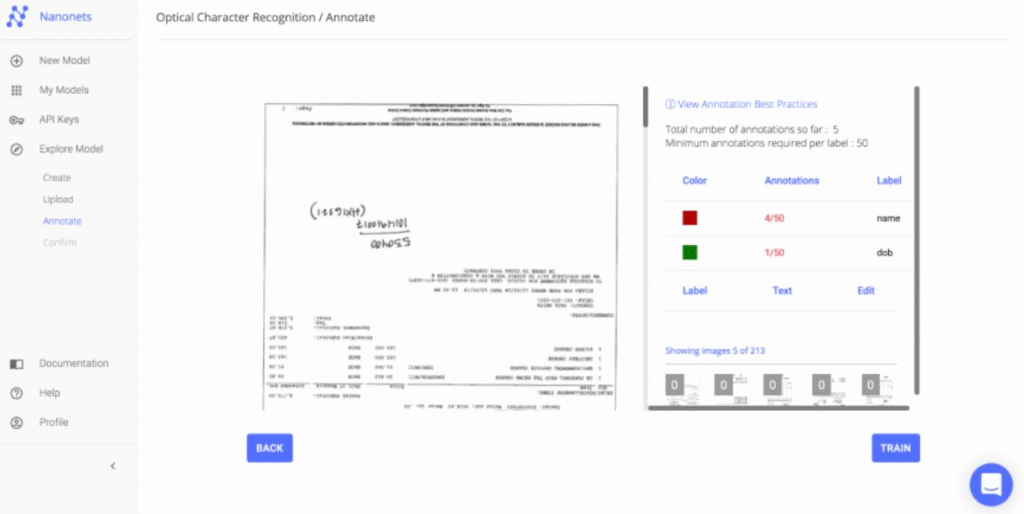
The technical backbone of Nanonets relies on machine learning models trained to understand visual and textual content. These models break down a document into layers of information. They identify key fields, categorize them, and feed the structure into a workflow that can validate, clean, and transfer the data into other systems. The result is a process that cuts the dependence on rigid rules. Once trained, the model can adapt to different invoice formats, ID documents, medical files, or logistics paperwork without needing constant reprogramming. Users only need to upload sample documents, mark the fields they want the model to learn, and let the system train itself. This keeps the setup simple even for teams without a technical background.
Where Businesses Use Nanonets Today
The biggest adoption of Nanonets is in areas where paperwork slows operations. Finance teams use it for invoice processing, receipt tracking, and compliance checks. Supply chain teams rely on it for bills of lading, shipping labels, and customs forms. Healthcare uses it to handle patient records, insurance claims, and lab reports. HR teams use it to process resumes and employee paperwork. What makes Nanonets valuable in these settings is its ability to plug into tools companies already use, such as ERP systems, CRMs, spreadsheets, and cloud storage. With workflow automation built in, organizations can create end to end processes that run with little manual touch. A scanned invoice can be read, verified, matched with a purchase order, approved, and sent to accounting software in seconds.
Benefits That Set Nanonets Apart
The push toward automation is strong, but not all tools work at the same level. Nanonets stands out for three reasons. First, accuracy improves with continued training, which gives companies long term gains without costly redevelopment. Second, its interface is clean and friendly, which reduces the resistance employees often feel when switching tools. Third, Nanonets supports a broad range of document types, so companies can standardize automation across departments. This consistency helps reduce errors and gives managers clearer visibility into their operations. The platform also includes features like validation rules and human review steps. Teams can set confidence thresholds, route uncertain cases to a reviewer, and train the model on corrections. Over time, the review workload drops and the system handles more of the process on its own.
Why Nanonets Signals the Future of Intelligent Workflows
Digital transformation often slows down when organizations hit the wall of unstructured data. Traditional automation handles structured fields well, but real life documents rarely follow the rules. Nanonets addresses that gap by giving companies a system that can grow with their processes and adjust to real world complexity. As more industries shift toward AI assisted operations, tools like Nanonets become the backbone of efficient workflows. They reduce friction, speed up decisions, and free employees to work on higher value tasks instead of repetitive entry work. The rise of Nanonets shows how machine learning can move from a technical concept to a practical solution that strengthens everyday business performance.